Digital publishing has never been more open, and it has never asked more from the people inside it. Anyone can publish today, but sustaining creative work over time remains difficult. Creators write essays late at night, sketch during short breaks, or record audio in spare rooms with imperfect sound. The work is personal.
It carries identity, values, and emotion. That intimacy makes money feel awkward, even intrusive. Yet revenue arrives anyway, often quietly, through ads, subscriptions, or small partnerships that sit alongside the work.
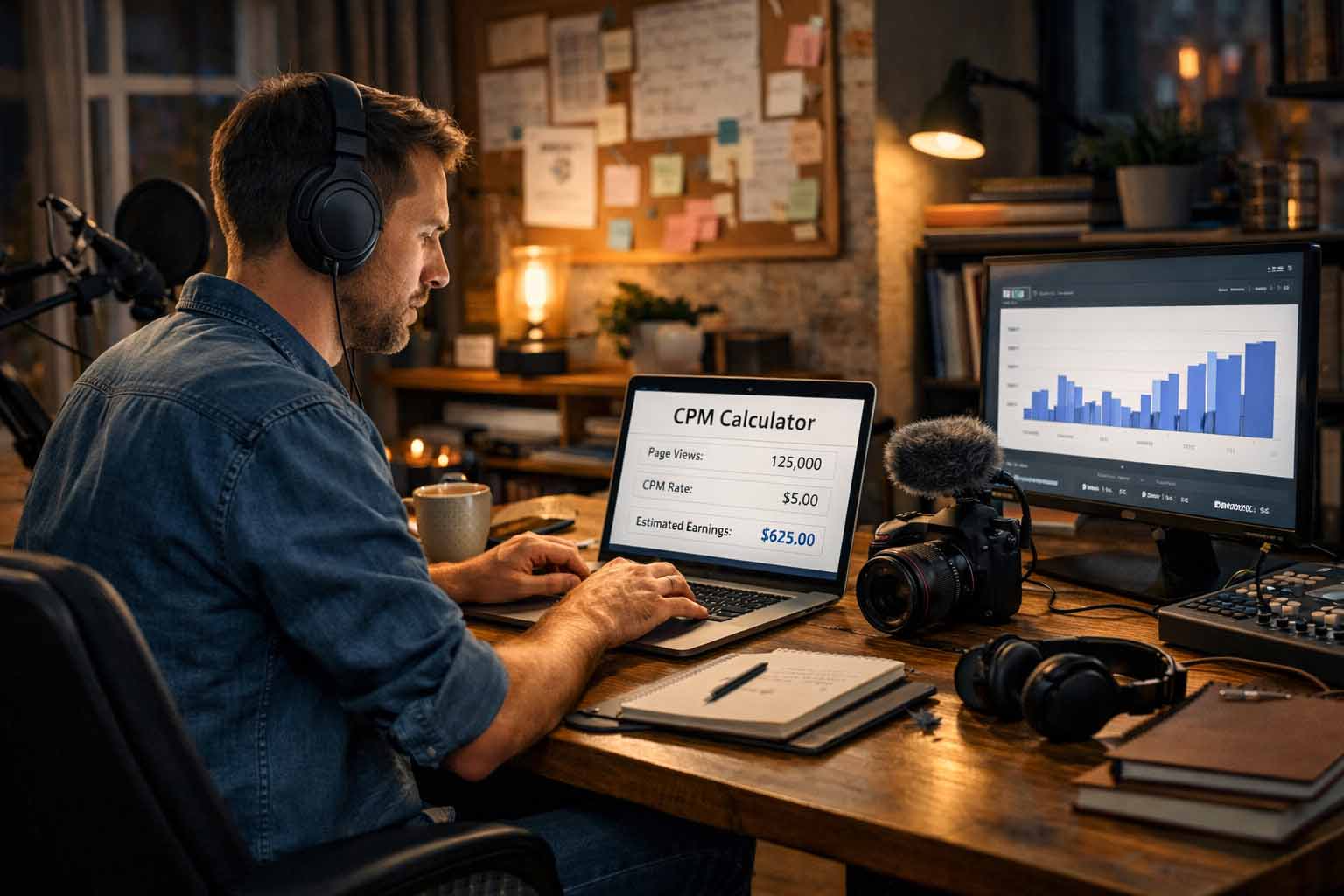
Understanding how ad revenue functions allows creators to stay independent without reshaping their voice to satisfy metrics. A simple estimate can replace anxiety with clarity, especially as impressions grow. That clarity often begins with a practical CPM calculator that turns raw traffic into realistic expectations.
Before questions of scale or ambition take hold, it helps to know what a single page view can return. Using a CPM calculator transforms abstract numbers into something concrete. It links impressions to revenue without forcing creators to think like analysts or advertisers. This is not about chasing growth for its own sake. It is about understanding the financial floor beneath your work. Once that floor is visible, decisions feel steadier. Creative energy stops leaking into worry.
Summary
Digital publishing earns through attention measured in impressions.
CPM pricing translates that attention into revenue estimates.
Clear estimation helps creators plan output, manage time, and protect creative focus.
Publishing online without losing your footing
From the outside, digital publishing looks effortless. A post appears. Readers arrive. Comments trickle in.
Behind that simplicity sits a chain of ongoing costs that rarely announce themselves. Hosting renews every month.
Email tools charge quietly. Design tweaks consume hours that could be paid elsewhere. Even time itself carries a cost, especially when creative labor replaces income from other work. Ads often feel passive because they do not interrupt the creative process directly. Still, they are part of that chain. Knowing how ads pay allows creators to stay grounded as output increases.
Independent creators often experiment with essays, short fiction, visual journals, or handmade zines.
Many of these projects begin without monetization in mind. They exist because the work needs space.
Over time, consistency builds traffic. That traffic creates impressions. Ad income then becomes a quiet partner rather than a driving force.
Examples drawn from independent publishing formats show how modest audiences can still support meaningful revenue when expectations remain realistic and pacing stays sustainable.
What CPM really measures
CPM stands for cost per thousand impressions. It reflects what advertisers pay for exposure, not interaction.
That difference matters more than it first appears. An essay read slowly from start to finish may show fewer ads than a scrolling gallery. Both can earn. CPM does not judge depth, beauty, or emotional impact. It measures visibility.
Every time an ad loads in front of a reader, it counts as an impression. Revenue flows from that simple act.
This pricing model is not new. Print magazines relied on circulation numbers long before screens existed.
Digital platforms refined the idea by making impressions measurable in real time. For creators, understanding CPM removes guesswork. It replaces vague hope with figures that can be tested and adjusted over time. Those figures do not define success, but they help frame it realistically.
Why estimation matters before growth
Growth rarely arrives evenly. One article may spread while others remain quiet. Without estimates, those spikes feel dramatic. Creators may assume a turning point has arrived. Estimation tools reveal what a spike is actually worth.
Often, the value is encouraging but modest. That knowledge prevents emotional whiplash. It keeps creative decisions steady rather than reactive.
Publishing exists within a wider system of online value exchange. Content attracts attention. Attention attracts advertisers. Money flows unevenly through that system. Understanding this context, discussed within the idea of the digital economy, helps creators see ads as one component rather than the defining feature of their work. This perspective supports long term thinking rather than short term chasing.
Numbers creators should understand
The figures behind ad revenue appear simple. Their impact is not. Each one shapes expectations differently and deserves attention on its own line.
1. Monthly page views represent the total number of impressions served across all pages. This figure forms the base of any revenue estimate.
2. Average CPM rate varies by niche, geography, season, and advertiser demand. It is not fixed and should be treated as a moving range rather than a promise.
3. Fill rate measures how many impressions actually display ads. Not every available space fills every time. Lower fill rates reduce total revenue even when traffic grows.
4. Ad placements per page influence impression volume. More placements increase impressions but can affect reader experience if overused.
How CPM fits different creative formats
Not all creative formats earn in the same way. Long form writing encourages longer sessions. Readers stay, scroll, and often return. Visual galleries load multiple pages quickly. Audio content generates impressions through transcripts and supporting posts. CPM works across these formats because it focuses on exposure rather than behavior.
Creators working across mixed media sometimes worry that variety weakens revenue. Estimation often shows the opposite.
A photo essay may attract new readers who later explore written work. A text piece may anchor loyalty while visual posts bring reach. The numbers often reveal that diversity stabilizes income rather than fragmenting it.
Simple actions that improve ad outcomes
- Keep layouts readable and uncluttered so ads feel natural rather than intrusive.
- Place ads near pauses in reading rather than mid sentence.
- Maintain a consistent publishing rhythm to support return visits.
- Avoid excessive ad density that disrupts trust.
These actions do not require a shift in voice or subject matter. They respect readers. Over time, respectful design builds familiarity. Familiarity leads to return visits. Return visits increase impressions without sacrificing integrity.
Planning time using revenue estimates
Time is the least visible cost in digital publishing. Estimation assigns value to hours spent writing, editing, and maintaining archives. If a series earns modestly, that information informs pacing. It may justify fewer posts with deeper focus. It may support longer gaps between releases.
This approach supports creative longevity. It allows rest without guilt. Revenue estimates become tools for balance rather than pressure. They protect creative energy instead of draining it.
Common CPM ranges by content type
| Content Type | Typical CPM | Notes |
|---|---|---|
| Personal essays | $2 to $6 | Consistency supports stability |
| Visual art blogs | $3 to $8 | Page depth influences impressions |
| Creative tutorials | $5 to $12 | Advertiser demand fluctuates |
Keeping expectations grounded
CPM estimates are not guarantees. They change with seasons. They respond to advertiser budgets and broader economic shifts. Using estimates means accepting variation as normal. It means planning with ranges rather than fixed outcomes.
High authority sources describe CPM as an advertising pricing model rather than an income promise. Clear explanations from CPM in advertising show how impression based pricing reflects exposure rather than performance.
This distinction helps creators remain realistic while protecting their creative focus.
A steady way forward for creative work
Digital publishing rewards patience more than intensity. Revenue grows quietly when expectations remain realistic.
CPM estimation offers a calm lens. It respects creative labor without forcing compromise. With clear numbers, creators choose pace, scale, and direction with confidence. The work stays central. Money remains support, not control.