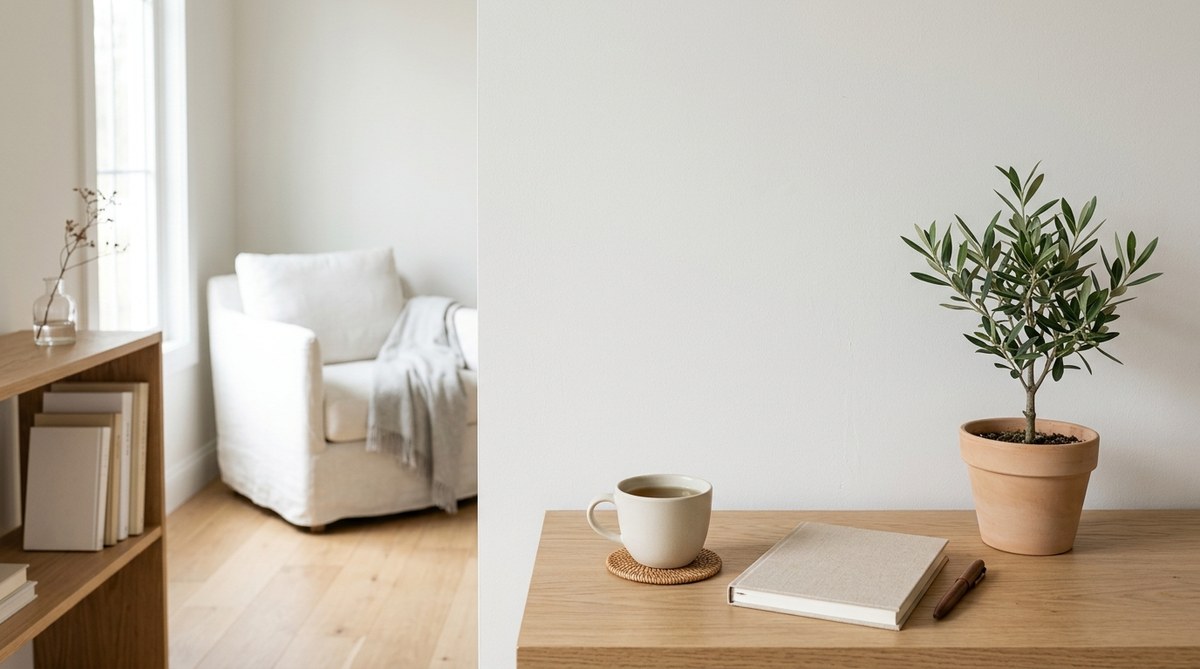
In a world that rewards speed and accumulation, the idea of minimalist living invites you to pause, breathe, and choose what truly matters. Minimalism is not about denying yourself or living with nothing around you; it is about freeing energy and attention so you can focus on the experiences, people, and art that enrich your life. At DotDotDash.org we believe style, culture, and creative expression thrive when daily life is clear and intentional. If you have ever looked around your home and felt weighed down by clutter, if your digital world feels louder than your real conversations, or if you long for more time to think, dream, and create, this guide is for you. Let us walk you through practical steps to simplify without sacrificing your personality or your passions.
Why minimalism matters in a busy world
Minimalism is not a rigid set of rules applied the same way to everyone. It is a flexible mindset that asks one simple question before every purchase, activity, or habit: does this add value to my life? When we answer honestly, we often discover three benefits that echo through daily life.
- Clarity: Fewer distractions make it easier to listen to your own goals, not the latest marketing pitch.
- Time and energy: Lower upkeep and fewer decisions saved each day mean more space for meaningful work and relationships.
- Creativity: With less clutter, your mind has room to notice small details, to notice the hidden narratives in art and memory.
So how do you begin with intention? Start with a plan that respects your rhythm, your culture, and your creative voice. The following sections offer practical steps that fit into real life, whether you live alone, with family, or in a shared studio.
Getting started with mindful decluttering
The 5 minute space check
- Step 1: Pick one surface in your living area (a coffee table, a desk, a kitchen counter).
- Step 2: Remove everything from that surface.
- Step 3: Put back only what you truly use daily or what sparks joy.
- Step 4: Wipe the surface clean.
That tiny ritual trains your brain to pause before adding another item. It also creates a visible signal that you are choosing quality over quantity.
The one room at a time plan
A common mistake is trying to overhaul multiple spaces at once. Instead, pick a room and run a focused decluttering sprint.
- Week 1: Living room and entryway.
- Week 2: Kitchen and dining area.
- Week 3: Bedrooms and personal spaces.
- Week 4: Studio or creative corner.
Set a timer for 20 minutes and work in short bursts. You will be surprised by how much you can release when you commit to consistent, brief sessions.
The three categories that make decisions easy
- Keep: items you use weekly or regularly, and items that align with your creative or personal identity.
- Reassess soon: items you are emotionally attached to but rarely use. Decide if you can repurpose or photograph for memory.
- Let go: items that are unused, duplicate, or serve no practical or emotional function.
Document the decision with a quick note. If later you realize you missed something, you can reintroduce it thoughtfully rather than on impulse.
Creating a simple and practical daily routine
Minimalism thrives when routines support your energy, not drain it. Build routines that anchor your day and leave space for spontaneous creativity.
A calm morning routine
- Wake with intention: Give yourself 10 minutes to breathe and set a simple objective.
- Consume with care: Limit morning news and social feeds to a single check-in.
- Dress for focus: Choose a capsule wardrobe piece you love and that works in multiple contexts.
- Move your body: A short stretch, a walk around the block, or a quick workout to wake the senses.
A focused work and creative sprint
- Block time: Schedule 25 to 40 minute focused work intervals with 5 minute breaks.
- Single task mindset: Do one meaningful task before you switch to another project.
- Digital gatekeeping: Use a timer to limit notifications during creative sessions.
A restorative evening routine
- Clear the day: Spend 5 minutes reflecting on what went well and what could be improved.
- Prepare for tomorrow: Lay out an outfit, outline the top two tasks, and set a gentle alarm.
- Wind down unplugged: Dim screens an hour before bed and choose a book, sketchbook, or quiet music.
Digital minimalism: reclaim time and attention
The digital world is a constant hum. Digital minimalism is about building boundaries that preserve your attention for what truly matters—cultural art, memory, and meaningful conversations.
Taming notifications and feeds
- Turn off non essential alerts: News apps, endless promotional notifications, and non urgent messages.
- Schedule check times: Decide on two or three windows daily to check emails and social media.
- Create a dedicated digital quiet zone: A device free zone during meals and in the bedroom.
Curating your online inputs
- Subscribe with purpose: Only keep newsletters or subscriptions that add clear value.
- Unfollow a set each week: If a post does not engage you positively or creatively, remove it.
- Archive rather than scroll: Save inspiring posts with a quick note about why they matter, then revisit later.
Tools and habits that support focus
- Use one browser extension or app to block time thieves during creative work.
- Create a digital memory log: Briefly capture what you learned or felt from online content to avoid passive consumption.
- Maintain a simple digital file system: A minimal folder structure on your device and in the cloud keeps photos, documents, and notes easy to locate.
Wardrobe and home surfaces: capsules and care
A capsule wardrobe and clean surfaces dramatically reduce decision fatigue and maintenance time. Your home becomes a stage for creative work rather than a storage problem.
Capsule wardrobe basics
- Choose a cohesive color story: Neutral tones with a signature accent color that fits your personal style.
- Limit items per category: Tops, bottoms, outerwear, and shoes within defined counts that fit your climate and lifestyle.
- Quality over quantity: Invest in a few well made pieces that endure seasons of wear and style.
- Rotate with the weather and season: A light addition or removal helps maintain balance without overstuffing.
Easy upkeep and maintenance
- Designate storage solutions: Every item should have a home. A simple label or color cue helps you return items to their place.
- One in, one out: For every new item you bring in, release one item you no longer need.
- Quick cleaning rituals: 10 minute daily wipe downs and a weekly deeper clean keep surfaces calm and intentional.
The power of clear surfaces
A clutter free surface creates mental space for conversation, reading, or sketching ideas. It also makes your creative tools easier to access when inspiration strikes.
Mindset shifts that keep minimalism sustainable
Minimalism is a practice, not a destination. The mindset shifts below help you turn intentional choices into lasting habits.
Focus on experiences over possessions
Memories and experiences enrich life far more than the latest gadget. When faced with a new purchase decision, imagine how you will feel a year from now and whether the item will still serve as a meaningful memory.
Practice saying no with grace
Saying no is a form of self care. It protects your time and energy for things that align with your values, whether that is time to create, read, or share meals with loved ones.
Document your progress, not your perfection
Take simple notes or photos of your minimalism moments. A short journal or a monthly photo essay can remind you of the growth you have achieved and the joy that follows.
Respect memory and space in art
Minimalism does not erase memory or storytelling. It invites you to curate what you keep around you and to honor the objects that carry personal meaning or cultural significance.
The role of memory in life and art
Memory shapes how you view both the present and the past. In art and daily life, choosing what to remember and what to let go of is a creative act. This is central to a mindful lifestyle that DotDotDash.org celebrates through cultural art and storytelling.
Living creatively within less: art, culture and storytelling
Minimalist living can heighten your creative practice. When you remove noise, you give space for the deeper narratives inside art and memory to emerge.
Minimalist art and cultural expression
- Explore art forms that rely on suggestion and space rather than dense detail.
- Curate a small, meaningful collection of artworks that resonate with your daily rituals.
- Create a rotating gallery wall that updates with new works and moments.
Creative ideas that thrive in a lean environment
- Short film concepts that rely on visual cues and ambient sound rather than elaborate setups.
- Storytelling through camera work: use simple equipment, focus on composition, light, and rhythm rather than complexity.
- Memory based projects: record small, daily memories, and weave them into a larger narrative over time.
A practical 30 day plan to start minimalism
If you want a concrete path, the following 30 day plan offers gentle but steady progress without overwhelming you.
- Day 1 to 5: Define your why and audit your spaces. Make quick wins by clearing the top clutter in common areas.
- Day 6 to 10: Declutter one category per day (clothes, kitchen items, papers, gadgets, cosmetics).
- Day 11 to 15: Create simple storage solutions and a daily routine. Build a micro declutter habit.
- Day 16 to 20: Digitally simplify. Limit notifications, prune your feeds, and organize files.
- Day 21 to 25: Wardrobe and surfaces. Establish capsule staples and keep surfaces clear.
- Day 26 to 30: Reflect, adjust, and celebrate. Update your memory journal and set new minimalism goals.
If you would rather not commit to a strict timeline, treat this as a flexible framework. The goal is to make space for what matters rather than to achieve a perfect state.
The 7 simple questions that guide every minimalism decision
- Do I use this item at least once a week?
- Does this item connect to a memory or a meaningful goal?
- Would I replace it if it were gone tomorrow?
- Does it add value to my routine or creative practice?
- Is there a simpler or better alternative I already own?
- Do I have a clear place to store this item?
- Will keeping this item make my life easier or harder in the next month?
Answering these questions honestly ensures your decisions are aligned with your values rather than with impulse.
How to maintain momentum after you start
Momentum matters more than perfection. The best routines evolve with you.
- Schedule regular check ins: Every two weeks, review your spaces, digital habits, and routines.
- Create a living inventory: A simple list of what you keep and why. Update it as your life changes.
- Celebrate small wins: A clean desk, a successful decluttering session, a week of calm mornings are all worthy of celebration.
- Allow for creative balance: Minimalism should support your art and storytelling, not suppress them.
Frequently asked questions about minimalist living
- Is minimalism about owning nothing? No. It is about owning what you truly value and letting go of what holds you back.
- Do I need to declutter every area at once? No. A steady, room by room approach is often more sustainable.
- Can minimalism be stylish? Absolutely. Minimalism is a design language that emphasizes form, function, line, and light, which can be very stylish when paired with personality and culture.
Final thoughts: craft a life that breathes
Minimalist living is about designing a life that breathes. It is not about denial but about choosing with care what fills your days. By reducing distractions, you create space for memory, art, and the people you care about. You invite more time for exploration, more energy for your creative projects, and more moments that feel intentional and alive. And in this process, you preserve the sense of style and cultural curiosity that DotDotDash.org champions.
If you are ready to begin, start small. Pick one surface, one routine, or one digital habit to revise this week. Observe how the change affects your mood, your focus, and your creative output. Then repeat with another small step. Before you know it, minimalism will not be a thing you do, but a natural rhythm that informs your daily life and fuels your best work.
Thank you for journeying with us here at DotDotDash.org. May your space feel lighter, your days more present, and your art more vivid as you simplify with intention.