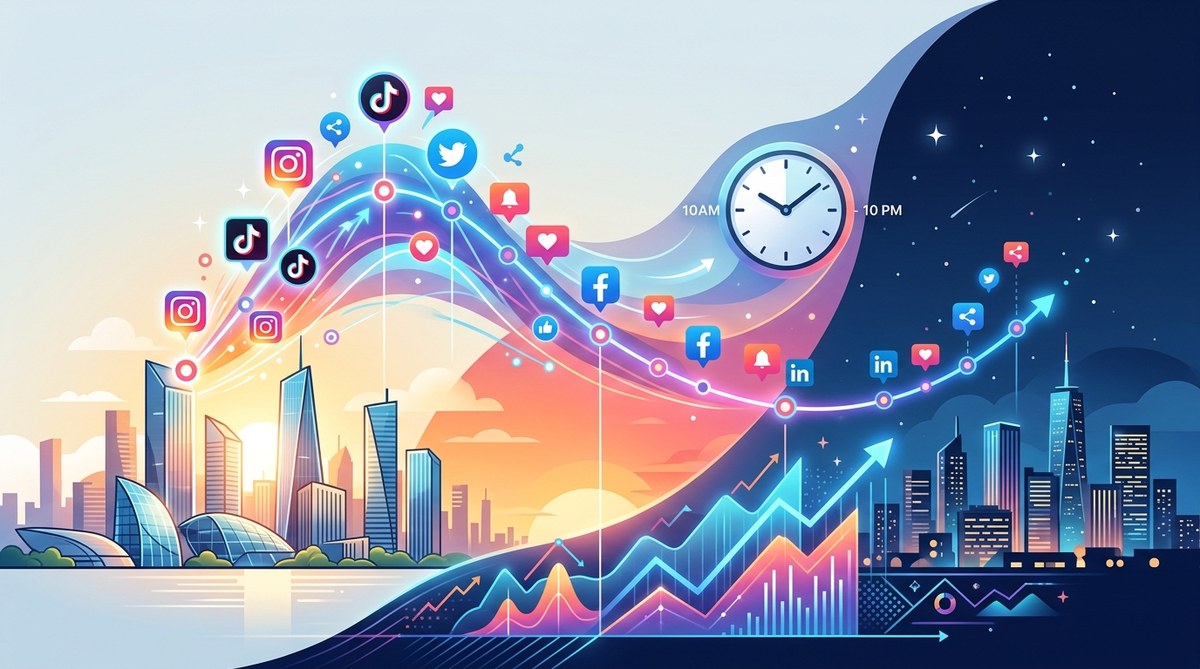
In a world where a single post can travel the length of a city block in minutes, timing is more than a clock on the wall. It is a storytelling instrument that can shape who sees your message, how they respond, and whether your idea quietly lands or explodes into a conversation. At DotDotDash.org we celebrate culture, art and creative expression, and we know that when you publish matters as much as what you publish. The right timing can elevate a minimalist image, a quiet narrative in an experimental film idea, or a memory powered camera moment into a shared experience. This guide dives into how timing shapes social media engagement, with practical steps you can apply to your own cultural and artistic projects.
The rhythm of online attention
Timing is not a single number on a dial; it is the rhythm of audience attention. People move through days with patterns: mornings when their coffee rituals turn into scrolling, lunch breaks when they catch up on feeds, evenings when they want a quick distraction before bed. Across platforms these rhythms shift, influenced by work habits, school schedules, and the cultural calendars that animate galleries, screenings, and street art tours.
What timing really means for engagement
- It is about reach as well as reaction. Posting when your audience is active increases the chance that your post is seen, saved, and shared.
- It is about relevance. Timing that aligns with events, exhibitions, or conversations makes your content feel timely and part of a larger moment.
- It is about consistency. Regular posting rhythms help followers anticipate and look forward to your work.
The anatomy of a post interaction cycle
- Exposure: your post appears in feeds and timelines.
- Attention: users decide whether to pause and view.
- Engagement: likes, comments, saves, shares begin.
- Amplification: engaged users contribute to reach through their networks.
- Feedback: data from the platform informs future timing and content decisions.
A well timed post can accelerate all five steps, especially when the content connects with a cultural or artistic context that resonates with your audience.
Platform by platform timing essentials
Different networks favor different timing patterns and content styles. Below are platform focused takeaways to help you tailor timing to the nature of your culture and art posts.
Instagram and visual storytelling
- Best windows tend to be mid-morning to early afternoon and early evening when people scroll between projects and social moments.
- Content types that perform well include reels that showcase artistic process, carousel images of a minimalist arrangement, and short video essays about hidden narratives in art.
- Quick tips:
- Post during midweek to catch steady engagement, with a light nod to Friday for weekend watchers.
- Use high quality visuals and micro captions that invite comments about interpretation.
- Consider a secondary post during the evening for audiences who browse after work or classes.
Facebook and community connections
- Facebook often rewards longer lifespans of posts. Late morning through early afternoon on weekdays can yield good visibility.
- Community oriented posts, event announcements, and gallery openings can thrive when aligned with local schedules and time zones.
- Quick tips:
- Schedule updates around local events, watch parties, or open mic nights that your audience cares about.
- Use groups to target discussions around cultural topics you cover.
- Include questions or prompts that invite personal stories or shared memories.
LinkedIn and professional storytelling
- Professional networks respond to business hours rhythms. The morning hours and late afternoon windows work best on weekdays.
- For cultural leadership and art oriented brands, LinkedIn is a strong place for behind the scenes insights, curatorial notes, and thought pieces about the role of art in everyday life.
- Quick tips:
- Publish articles or long captions that discuss the craft and discipline behind a project.
- Share collaboration notes, showreels from installations, or case studies of exhibitions.
- Engage with comments by asking for professional perspectives or recommendations.
X (formerly Twitter)
- Real time conversations thrive around mornings when people check updates and in the evenings when they wind down with quick reads.
- High frequency posting can help catch trends, but quality still matters.
- Quick tips:
- Threaded insights about a film concept or a cultural observation can catalyze discussion.
- Use timely hashtags and references to current events in the art world to join larger conversations.
- Monitor responses and adjust tone to invite dialogue rather than a one way broadcast.
TikTok and short form video
- TikTok engagement often peaks in the evenings and on weekends as people relax and browse creative content.
- Short visual experiments, process videos, and quick storytelling clips perform well when they offer a window into a moment, not just a finished piece.
- Quick tips:
- Hook within the first 2 seconds with a curiosity building moment.
- Use captions as a narrative device for accessibility and style notes.
- Post consistently but vary formats to test what resonates.
YouTube and long form storytelling
- YouTube rewards depth and watch time. A consistent publishing cadence with content that invites sustained viewing works well.
- Best days can vary by audience, but midweek afternoons and weekend evenings can be productive ranges.
- Quick tips:
- Build playlists around a theme such as hidden narratives in art or memory influenced storytelling.
- Encourage comments by asking viewer questions at the end.
- Use thumbnail design that hints at the narrative journey.
Threads and cross platform conversation
- Threads can mirror Instagram style, but the engagement tends to favor timely prompts and open conversations.
- Posting during peak but not overwhelming times helps, with a balance between insightful captions and quick prompts.
- Quick tips:
- Start conversations about a recent exhibition or film idea.
- Cross reference with Instagram posts to maintain a cohesive storytelling thread.
- Reply to comments to sustain momentum.
How to find your own best times
General patterns are useful starting points, but the art of timing is personal. Your audience, content niche, and even your posting cadence shape the best times for you.
- Define your time zone and audience windows
- Identify where most of your audience is located and compute local times they are likely to be online.
- Gather baseline data
- Track engagement metrics for at least two to four weeks to account for weekly cycles and special events.
- Create a varied posting schedule
- Schedule posts at slightly different times across days to test responsiveness.
- Analyze performance
- Compare engagement rate, saves, replies, and shares rather than only likes.
- Iterate
- Shift posting times toward windows that show higher engagement and drop those that underperform.
- Consider content type
- Different content types may perform best at different times; reserve experimental formats for testing.
Tips for doing this efficiently:
– Use platform analytics dashboards to filter by time and day.
– Keep a simple log to note what was posted, the time, and the observed response.
– Revisit your data every two weeks to refine patterns.
Timing and content type interplay
Timing does not work in isolation. The type of content you publish affects how you should time it.
- Visual art and minimalist photographs
- Best when posted with attention grabbing thumbnails and thoughtful captions. Consider posting during times when viewers are likely to pause and reflect.
- Short form video and reels
- Often thrive on evenings and weekends when viewers have space to watch and engage.
- Long form essays, curatorial notes and behind the scenes
- These perform well during workday hours when audiences seek deeper content or professional curiosity.
- Narrative experiments and film ideas
- Tie posting to events like premieres, screenings, or gallery openings to maximize relevance.
Time zones and global audiences
If your audience is dispersed across multiple time zones, you can still optimize without sacrificing your personal schedule.
- Create staggered postings for core content across zones.
- Use scheduling tools to publish when a large portion of your audience is awake, even if you do not physically post at that time.
- Re share evergreen content at multiple times to maximize reach.
Cultural art storytelling and the art calendar
Cultural narratives and art oriented content often benefit from alignment with real world events.
- Tie posts to gallery openings, artist talks, film screenings, or cultural festivals.
- Post pre event teasers to build anticipation and post post event reflections to extend the conversation.
- Align deep dives into hidden narratives in art with times when audiences are likely to reflect, such as evenings or late nights after attending performances.
Tools and tactics you can use
- Native platform insights
- Use analytics from Instagram, Facebook, LinkedIn, X, TikTok, YouTube to track performance by time and day.
- Scheduling and automation
- Scheduling tools can help you publish during optimal windows without sacrificing personal routines.
- A/B testing
- Run experiments with two posting times for the same type of content to compare results.
- Content calendars
- Build calendars around events, exhibitions, and film ideas to ensure timely delivery.
- Engagement prompts
- Craft captions that invite conversation and prompt viewers to share their own experiences or interpretations.
Case study: a DotDotDash style posting journey
Imagine a short documentary snippet about a minimalist studio space used for painting and memory based storytelling. The creator posts a teaser reel in the early evening on a weekday, followed by a longer process video the next afternoon. The caption prompts viewers to share a memory that emerges when they see the workspace. The comments thread becomes a living gallery of user snippets, and the post is saved by viewers who want to revisit the creative process later. The timing aligns with after work hours and a moment when audiences are open to reflective content, characteristic of DotDotDash.org’s culture narrative approach.
- Step 1: Post a teaser reel at 7 PM on Tuesday.
- Step 2: Schedule a longer behind the scenes video for Thursday afternoon.
- Step 3: Engage with comments within 24 hours and invite viewers to share their own stories.
- Step 4: Repost a still image with a thoughtful caption on Saturday morning to catch weekend browsers seeking artistic inspiration.
- Step 5: Review analytics to fine tune future scheduling and test another window the following week.
This kind of approach blends platform dynamics with a cultural and artistic lens and demonstrates how timing can shape engagement for a culture and art focused audience.
What to measure and how to interpret it
- Engagement rate: total engagements divided by reach or impressions.
- Save and share rate: indicators of content value and inspiration.
- Comment quality: thoughtful, conversation driving replies show deeper resonance.
- Viewer retention (for video content): how long audiences stay and whether they move to related content.
- Growth in followers: a signal of sustained interest over time.
Interpreting data requires context:
– A higher engagement rate with fewer impressions can indicate highly targeted resonance.
– A larger reach with modest engagement may reflect broad exposure but a need to sharpen audience alignment.
– Seasonal shifts or event calendars can cause natural fluctuations that you should account for when setting expectations.
Best practices to embed timing into your culture and art strategy
- Build a content calendar around art seasons and cultural events to keep your timing intentional.
- Pair timing with storytelling structure. A strong opening hook may demand an earlier posting window to capture attention before the scroll.
- Use consistency as a canvas. A predictable rhythm helps an audience anticipate your posts, making engagement more likely over time.
- Remain flexible. Algorithms and audience habits shift, so be ready to adjust your windows and formats.
- Maintain accessibility in timing. Ensure that critical content is accessible across multiple time zones through scheduling and evergreen re posts.
Final thoughts: timing as a cultural signal
Timing is a signal of cultural relevance just as much as caption copy or the aesthetic of a frame. When you post in tune with your audience’s rhythms, you invite deeper engagement with the ideas you value — creativity, memory, and discovery. The art of timing is a craft that complements content quality. Great visuals and thoughtful storytelling deserve to be seen in the moments when they speak most clearly.
If you are exploring a new project on dotdotdash.org, start by identifying a cultural moment or an artistic motif you want to highlight. Then map out a small rhythm plan: a teaser, a deeper dive, and a conversation prompt. Test different times, listen to the responses, and let the data guide your next steps. Your audience will thank you for the thoughtful pacing, and your posts will become a recurring invitation into your world of culture and art.
Want more guidance on timing and creative storytelling? Subscribe to our updates at DotDotDash.org and join a community that celebrates cultural art, minimalist living, and memory influenced narratives. Share your own timing experiments in the comments or through a post and tag us to join the ongoing dialogue about how timing shapes social media engagement.