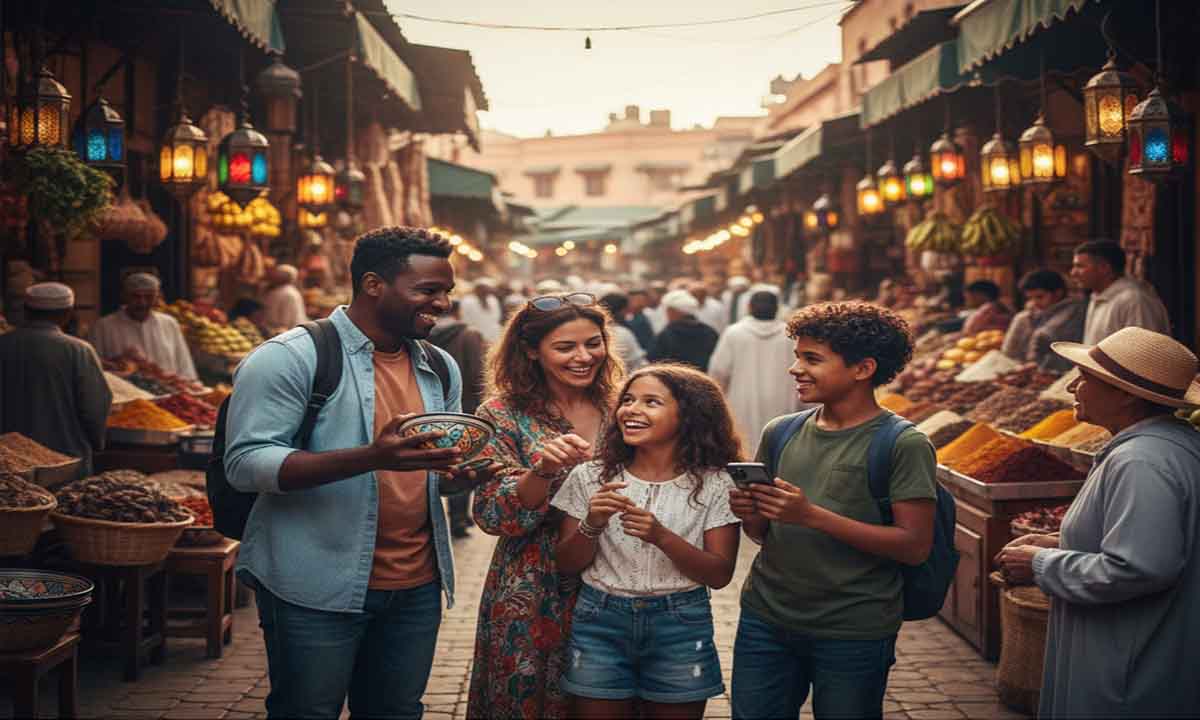
Storytelling Through the Camera Lens: The Core of Visual Communication
The pace of modern life has changed how people share experiences. A single moment can be captured and shared across continents within seconds. A photo or video no longer serves as a simple record of an event. It becomes a voice that communicates across cultures, distances, and languages, profoundly shaping art and society.
For creators, global brands, educators, journalists, and everyday individuals, the skill of conveying meaning through images is now a valuable tool, often enhanced by effective creative approaches. A well-crafted frame can express emotion, context, and intention without relying on spoken language. Each shot becomes part of a wider narrative that connects viewers to the world.
Key points at a glance
- Visual storytelling allows ideas and emotions to reach global audiences beyond language barriers.
- Light, color, framing, and perspective shape the meaning of every image.
- Emotional impact grows when creators understand their subjects and the message they want to express.
- Technical skills widen creative possibilities and strengthen narrative control.
- Personal style helps a storyteller form a recognizable visual identity.
- Visual stories play a powerful role in worldwide communication, learning, and cultural exchange.
The Value of Visual Storytelling
Visual stories help people communicate experiences that would be difficult to express in words. An image can highlight joy, loss, pride, or uncertainty in a way that resonates with viewers from different regions. Global audiences often respond to visual messages faster than written text, making photos and videos effective tools for promoting awareness, sharing culture, or inspiring action.
Brands use visual narratives to connect with customers. Educators rely on images to simplify complex subjects. Journalists capture scenes that reveal realities from different parts of the world. In every field, visual stories function as bridges between people with different backgrounds.
Understanding Light and Shadow
Light shapes the atmosphere of an image. It sets the mood, directs attention, and supports the story you want to share. Soft light during early morning or late afternoon often creates a warm and nostalgic tone. It suits stories about peace, reflection, or hope. Harsh midday light, on the other hand, produces strong shadows and strong contrast. This type of lighting can communicate tension, strength, or urgency.
Creators around the world use natural and artificial light to express meaning. A quiet street scene in Europe illuminated by sunset brings out memories and familiarity. A dim alley in an Asian city lit by a single lamp suggests mystery or solitude. A landscape in Africa shot under bright sun may convey energy and openness.
Shadow also affects the mood. It adds depth and guides the viewer’s eye to important details. A slight shift in light direction can alter the entire emotional tone of a frame.
Building Emotion Through Imagery
The most memorable visual stories stir emotion. A strong image does not only show what happened. It helps the viewer feel something.
Creators achieve this by understanding their subjects. Facial expressions, body movement, and surrounding elements all contribute to the message. A worker in a major global city looking tired yet hopeful can reveal resilience. A child admiring a sculpture inside a museum can evoke curiosity and innocence. Around the world, such small moments carry universal meaning.
Color also influences emotion. Warm tones such as red and orange often suggest passion or energy. Cool tones such as blue and green create a sense of calm or introspection. Combining color, expression, and environment results in imagery with emotional depth.
Videos amplify these effects through movement and sound. A slow pan across a quiet landscape may soothe the viewer. A rapid sequence of events in a crowded market might increase excitement. The emotional impact grows as these elements work together.
Perspective and Framing
Perspective determines how the viewer perceives the subject. A low angle can make a person or object appear strong and confident. Many documentary photographers use this angle when capturing leaders, athletes, or professionals to highlight determination. A high angle can create a sense of distance, softness, or vulnerability. This is useful when portraying delicate situations or introspective scenes.
Framing helps guide the viewer’s attention. Creators use windows, doorways, trees, or architectural elements to frame a subject naturally. This technique adds depth and enriches the context of a scene. A traveler walking through a historic square viewed through an archway offers both character and place. Film creators use similar methods to draw attention to specific details or emotions.
The movement of the camera, especially in video, adds rhythm. A slight tilt, a slow zoom, or a smooth transition can shift the viewer’s focus and enhance the story’s flow.
Stories in Motion: Beyond a Single Frame
A photograph captures a frozen moment, but video builds an extended experience. Movement, audio, and pacing allow creators to form a layered narrative. A scene can shift from calm to energetic through sound effects, music, or editing techniques.
Global documentaries often rely on this combination. A family traveling across countries can share their reactions to different cultures. Footage of markets, landscapes, and interactions helps viewers understand daily life in distant places. The sound of city traffic, the laughter of children, or the call of wildlife deepens immersion.
Editing determines how the story flows. Quick cuts may express urgency. Slow pacing may express thoughtfulness. Creators use these choices to lead the audience through an emotional journey.
The Role of Technical Skills
While creativity drives a visual story, technical understanding strengthens the final result. A storyteller does not need the most expensive equipment. What matters is knowing how a camera works.
Aperture controls light and depth of field. A low f-stop isolates the subject against a blurred background, perfect for portraits or moments that require focus on emotion. A high f-stop keeps everything sharp, useful for landscapes and architectural scenes.
Shutter speed affects how movement appears. A fast speed freezes action during sports events or wildlife shots. A slow speed adds motion blur, helpful when capturing water flow, city traffic, or anything that suggests time and movement.
ISO determines how sensitive the camera is to light. Higher ISO helps in dark settings but may introduce grain. Many creators around the world balance these three elements to achieve the mood they want.
For video, resolution, frame rate, and stabilization matter. A high frame rate suits fast action, while a lower rate helps create a softer, cinematic feel. A good stabilizer ensures fluid motion, especially for travel or documentary footage.
Lenses expand creative possibilities. Wide-angle lenses capture sweeping landscapes from South America to Scandinavia. Telephoto lenses help storytellers document wildlife from safe distances in Africa, Asia, or Australia.
Developing a Personal Visual Style
Every creator has a unique perspective. Developing a personal style takes time and experimentation. It begins with identifying the kinds of stories you enjoy telling. Some creators gravitate toward themes of joy. Others focus on quiet reflection, everyday life, or social issues.
Learning from others is helpful but should not lead to imitation. Reviewing the work of respected photographers or filmmakers from different countries can inspire you. The goal is to understand what resonates with you and express it through your own approach.
A consistent style may appear in repeated themes, preferred color palettes, or specific framing methods. Over time, your visual identity becomes recognizable, shaped by your experiences and worldview. Continuous practice and curiosity help refine this identity.
Global Influence of Visual Narratives
Visual storytelling connects people across cultures. A photograph of a joyful celebration in South America can inspire someone in Europe. A video portraying a village rebuilding after a storm in Southeast Asia can encourage global support. These stories remind audiences of shared humanity.
During major global events or crises, visual documentation becomes vital. Photos from war zones, natural disasters, or humanitarian missions help the world understand what communities face through comprehensive global news reporting. Such images can prompt donations, awareness, or international cooperation.
In cultural fields, museums, film festivals, and online platforms showcase works from creators worldwide. These spaces encourage exchange and appreciation of diverse perspectives. Visual narratives broaden understanding and highlight both differences and similarities among people.
Sharing Your World Through the Camera
Telling stories through a camera is a meaningful skill that connects people across borders. With thoughtful use of light, framing, perspective, and technical knowledge, you can create visuals that touch both the eyes and the heart. As your personal style grows, your images and videos gain deeper impact.
Every frame you create is an opportunity to share a part of your world. It can spark emotion, inspire thought, or offer comfort. Across continents and cultures, people respond to stories that feel real and human. Through the camera lens, those stories reach far beyond where they are taken.